 Rural America is truly at a disadvantage compared to the telecommunications resources found in cities and suburbs. The best options are found in the core of large metropolitan business districts. Move downtown in a big city and you’ll find such niceties as Gigabit Ethernet and even 10 Gig E connections. You may even be able to get Ethernet over Copper at 100 to 400 Mbps. Fixed wireless services easily deliver 50 to 100 Mbps bandwidth. If a shared bandwidth solution is OK for what you are doing, it’s hard to beat the Cable MSO prices.
 Why the big discrepancy between metropolitan and rural service options? It’s all about infrastructure - the infrastructure that was never installed. Well, that’s in the process of changing right now. Level 3 Communications, one of the premier international telecom carriers, has established a program called EON or Extended On-Net sites. What they are doing is building out 500 additional access points to their fiber optic network. They are mostly in small and rural markets where there are few service options available. This is a wholesale, rather than retail, service intended to give local service providers access to high bandwidth carrier services.
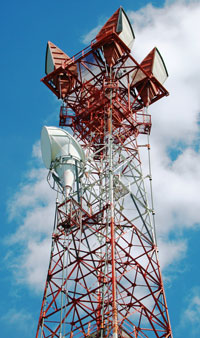
Even with fiber optic gateways in the boonies, you still need a way to get the signals to the businesses and consumers without having to spend a fortune creating the remainder of the needed infrastructure. One technology that makes excellent sense for thinly populated areas is fixed wireless. WiMAX is an example of wide area coverage with significant service speeds. What you need, then, is access to the carrier-class fiber bandwidth plus a tower to transmit that bandwidth wirelessly to users scattered far and wide.
This sounds like a perfect opportunity for a combined effort and such a deal has been made. 52Eighty, a provider of tower infrastructure, has entered into an agreement with Level 3 to create 200 new wireless tower access sites situated near Level 3’s EON gateways. 52Eighty will take care of tower construction. Level 3 will provide transport and services that include private line, Ethernet and wavelength services. EON also offers backhauls that include Internet, VPN and voice services.
If this sounds a lot like what has been called the rural broadband initiative, it’s because that’s exactly what is going on. Level 3 is a key “middle mile” provider in bringing high speed network access to rural areas where local service providers can connect. They were awarded $13.7 million this summer through the American Recovery and Reinvestment Act and matched it with $4.2 million of their own funds to create dozens of middle mile connections in rural California, Florida, Georgia, Kansas, Tennessee and Texas.
Does this mean that relief is coming to disconnected consumers and businesses in Rural America? It’s certainly on the way. In fact, many carriers are expanding their wireline, broadband and fiber bandwidth services to garner new customers. If your ISP or business has been unable to get connectivity in the past, now is a good time to check availability and prices online for fiber optic lines to 1 Gbps, plus T1, ISDN PRI and other bandwidth services. You may be surprised by what has become available recently.


